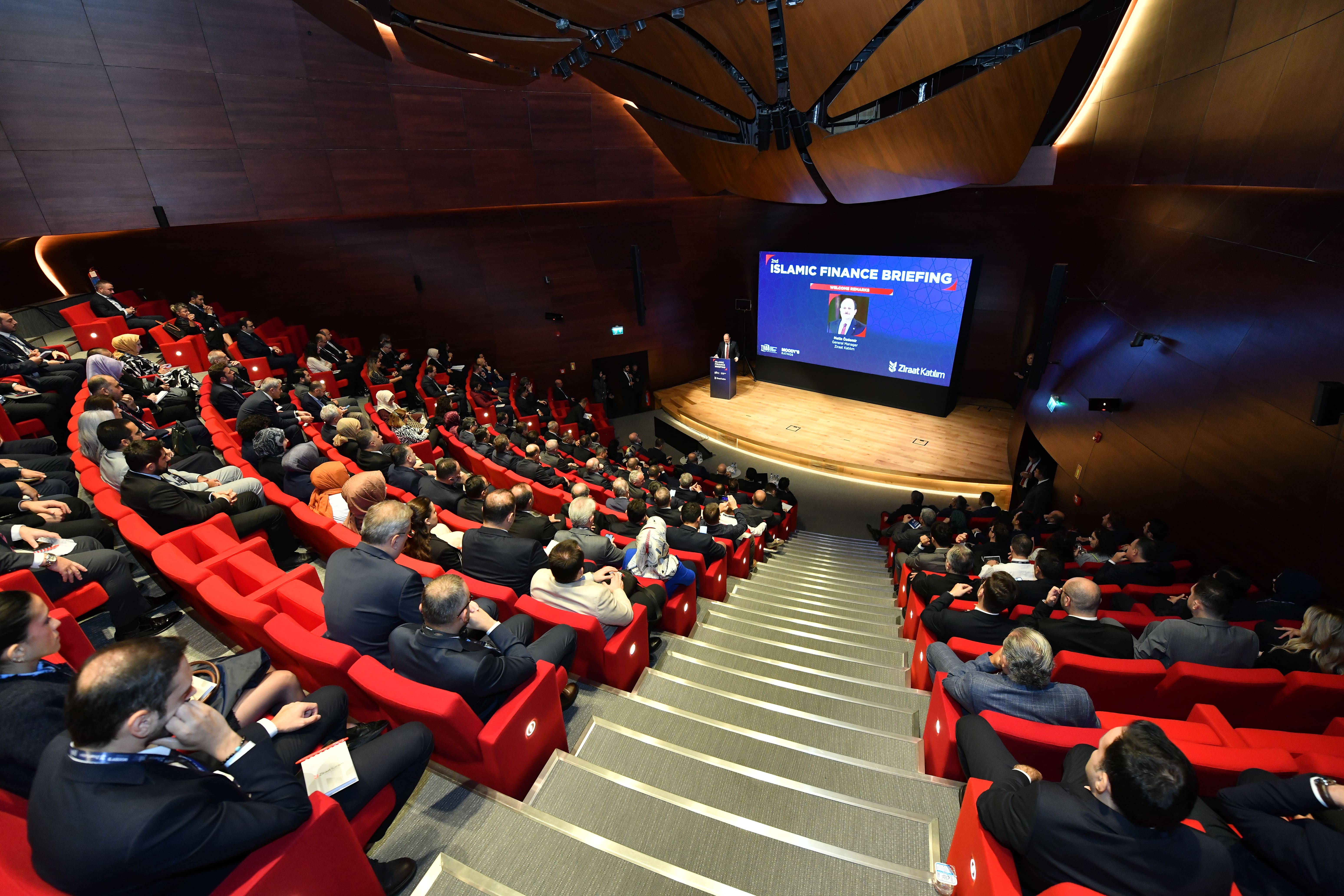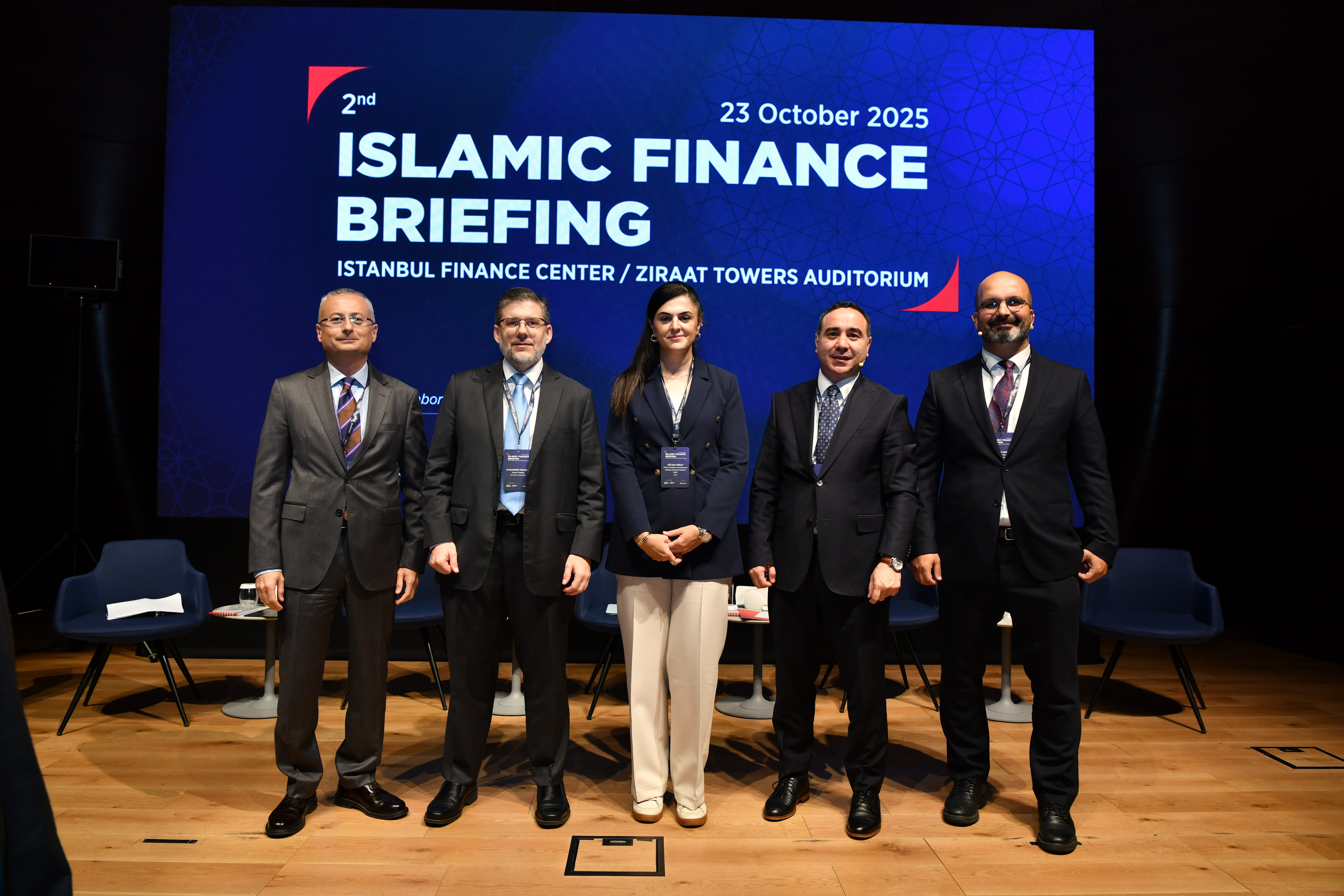


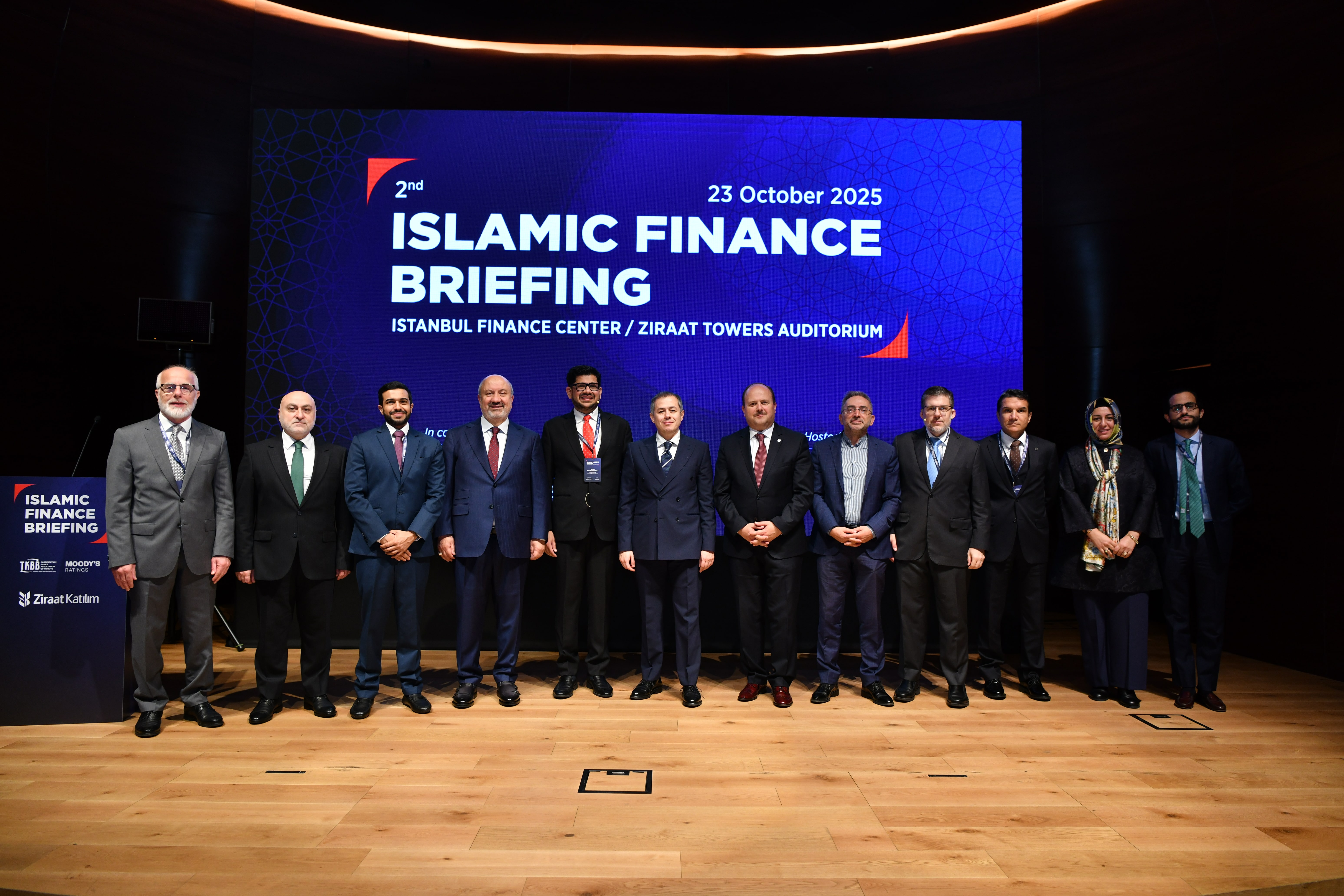
The second Islamic Finance Briefing program, organized by the Participation Banks Association of Türkiye (TKBB) and Moody's Ratings, hosted by Ziraat Katılım, was held on October 23, 2025, at the Istanbul Financial Center with high attendance. Recognized as one of the most important gatherings of the participation finance ecosystem, the event brought together leading representatives of the sector, senior executives from regulatory bodies, and international financial ecosystem. The meeting addressed the current state of participation banking, its alignment with global trends, and strategic opportunities for the future, while creating an environment for in-depth dialogue within the framework of financial stability, sustainable development, and inclusive growth.
Türkiye's strategic importance in the growing Islamic finance sector and its role in the global market were among the prominent topics of the meeting. Attention was drawn to the steady increase in participation finance assets in recent years, which has elevated Türkiye to the position of a rising financial center in the region. It was emphasized that the steps taken in the areas of digitalization, sustainability, and financial inclusion have strengthened Türkiye’s effectiveness in the Islamic finance ecosystem. In addition, it was stated that the record issuance volumes achieved in the sukuk market in 2024 have further increased the country's sustainable financing potential.
COMMON MESSAGE: SUSTAINABLE GROWTH AND STRATEGIC VISION
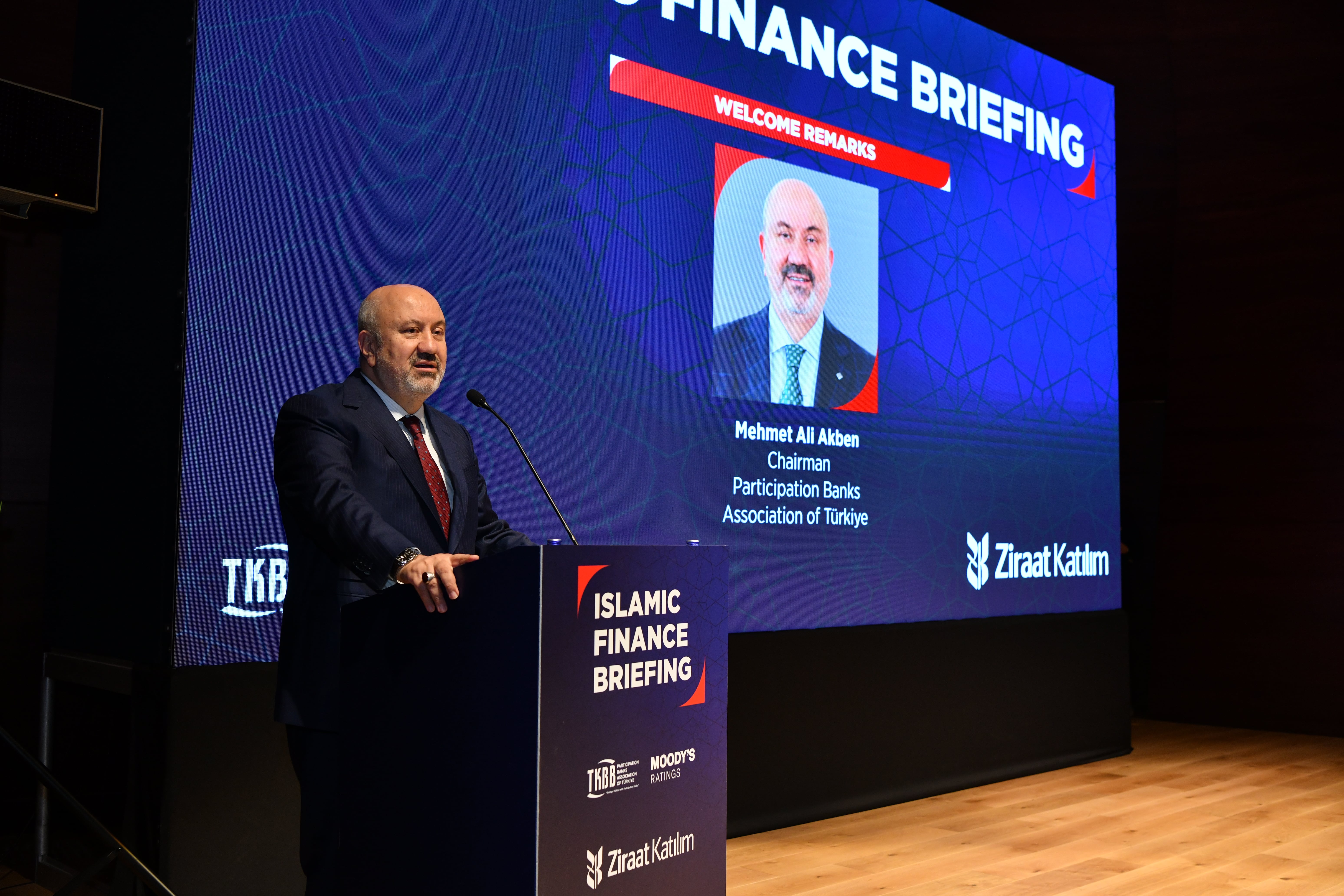
The opening speeches were delivered by Ahmet İhsan Erdem, CEO of Istanbul Finance Center; Metin Özdemir, General Manager of Ziraat Katılım; Nitish Bhojnagarwala, Assistant Managing Director at Moody's Ratings; and Mehmet Ali Akben, Chairman of the Board of Directors at TKBB.
The speeches emphasized Türkiye’S growth potential in the field of participation finance, the contribution of Islamic finance to sustainable development goals, and the strategic importance of the Istanbul Finance Center's vision of becoming a global financial center. Other prominent themes included the support provided by participation banking to the real sector through its inclusive finance approach, its pioneering role in the digitalization process, and its contribution to international financial integration.
TÜRKİYE'S ECONOMY AND THE FUTURE OF PARTICIPATION FINANCE FROM A GLOBAL PERSPECTIVE
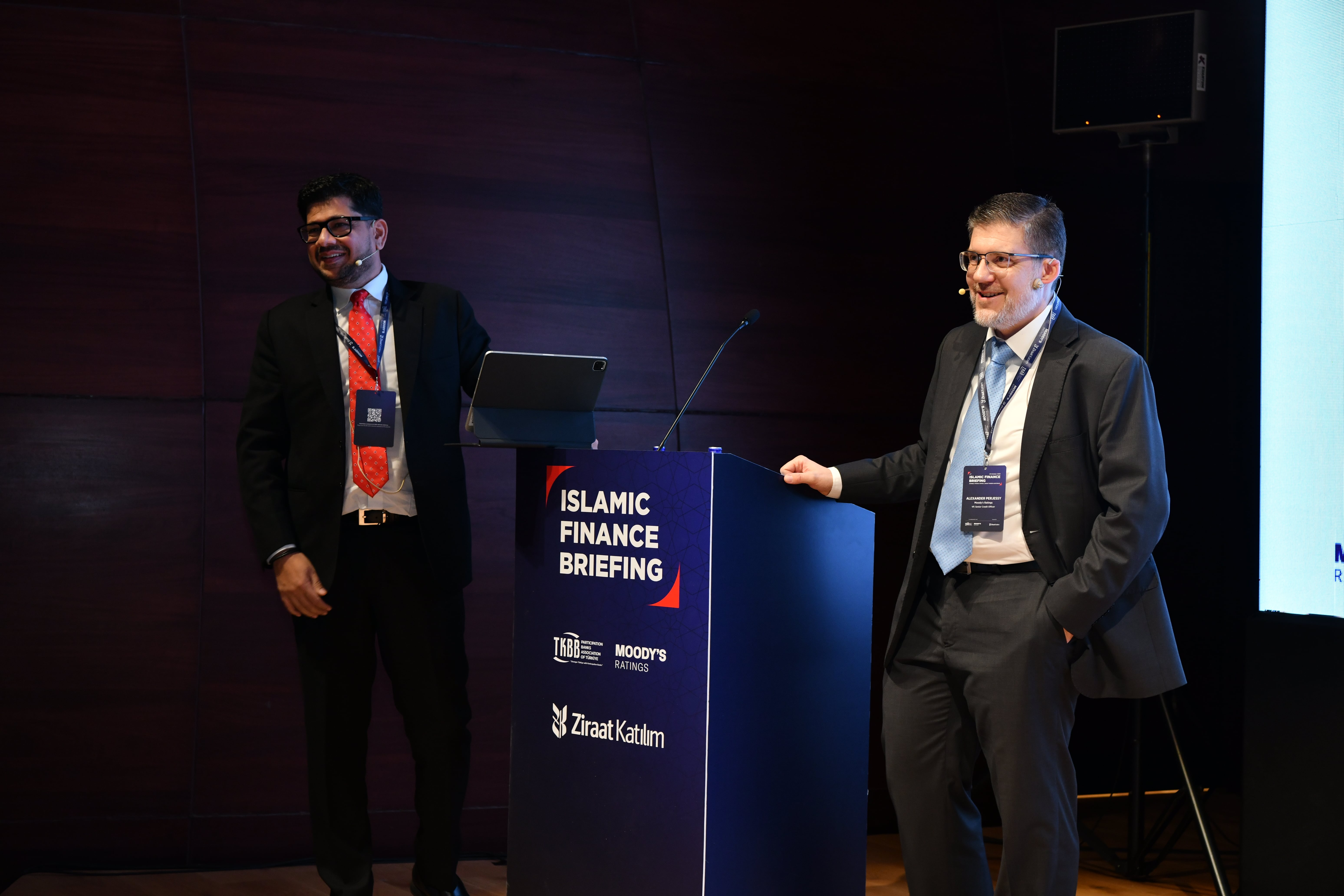
Later in the program, Alexander Perjessy, Senior Credit Officer at Moody's Ratings and Vice President of the Sovereign Risk Group, provided a comprehensive assessment of the Turkish economy. In his presentation, he analyzed the outlook for growth, inflation, and fiscal policies, touching on the key macroeconomic factors supporting the country's credit rating. He also shed light on Türkiye's position and future opportunities in this area by addressing the current state of sukuk markets in a global context.
After that, Abdulla Al Hammadi, AVP Analyst at Moody's Ratings, delivered a comprehensive presentation on the global outlook for participation finance. Al Hammadi assessed developments in key financial centers, particularly the sukuk market and participation banking. He emphasized that the key performance indicators of participation banks continue to exceed those of traditional banks, highlighting that Türkiye has become one of the fastest-growing markets in the field of participation banking.
Al Hammadi also stated that the global sukuk market is expected to stabilize in 2025, with issuance volumes remaining close to the strong levels seen in 2024, adding that the sukuk market has strong potential in the long term with increasing investor interest.
PARTICIPATION BANKING CONTINUES TO BE THE LOCOMOTIVE OF SUSTAINABLE GROWTH
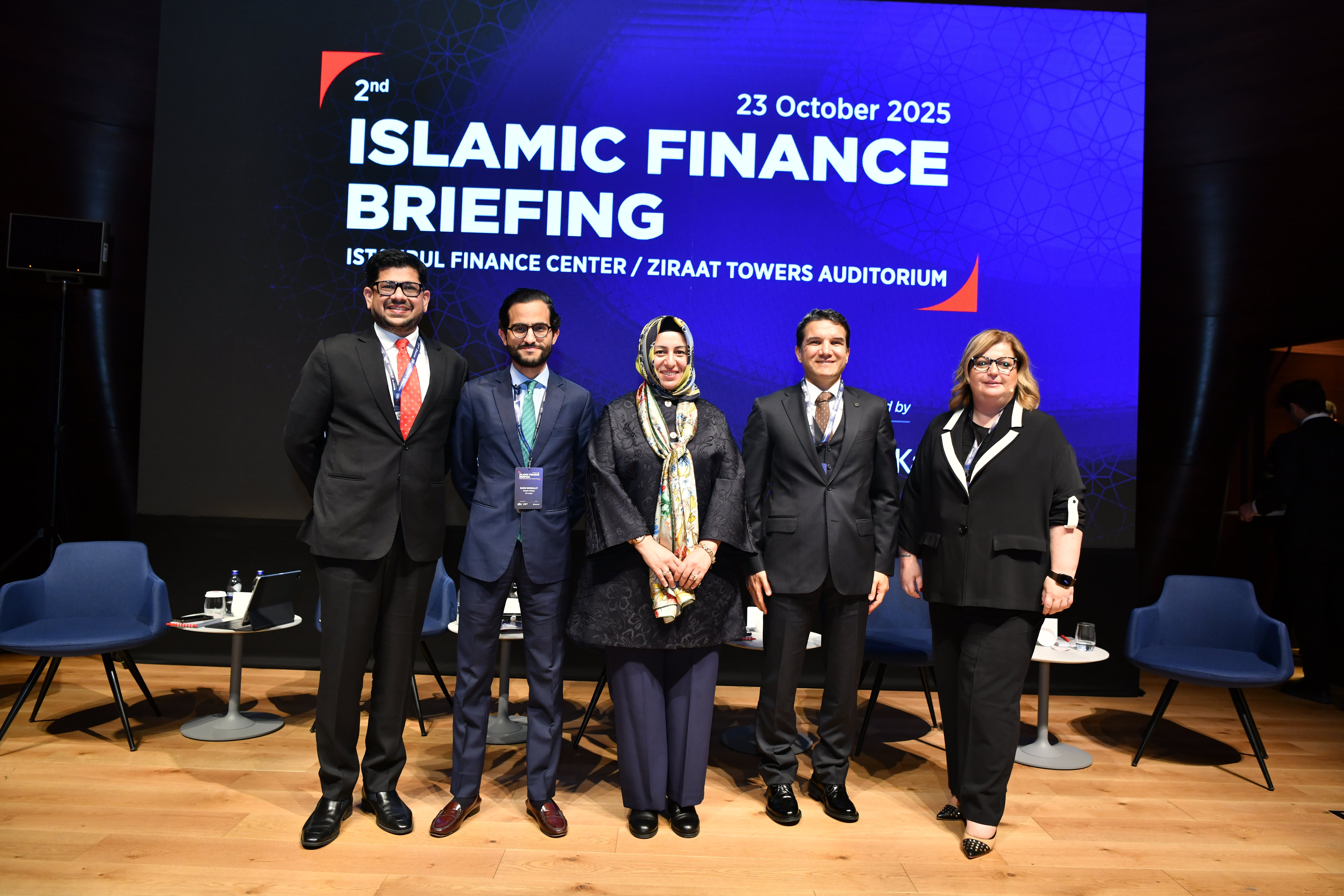
The 2025 performance, regulatory developments, and future-oriented strategies were on the agenda. The first panel of the event was held under the title "Participation Banks in Turkey: Key Milestones and Way Forward." The panel discussed the 2025 performance of participation banking, the opportunities facing the sector, and strategic priorities in detail. In particular, the impact of regulatory developments on the sector, contributions to increasing financial inclusion, and the vision for sustainable growth were highlighted.
The panel was moderated by Nitish Bhojnagarwala, Assistant Managing Director at Moody's Ratings. Badis Shubailat, AVP Analyst at Moody's Ratings Financial Institutions Group, stated that participation finance has strong growth potential in Türkiye and that the share of participation banks in the sector is expected to exceed 10% in the coming period. Shubailat emphasized that the demand for financing suitable for participation finance and the development of digital banking would be effective in this increase. Fatma Çınar, Deputy Secretary General of TKBB, stated in her comprehensive presentation that the work carried out within the association gave the sector a strategic direction. Çınar emphasized that the regulatory and structural steps taken in recent years have made the participation finance system more resilient and sustainable, while the expansion of the customer profile and increased product diversity have strengthened the sector's inclusiveness and growth potential.
Melis Tosun Arslan, Executive Vice President at Türkiye Finans, touched upon the transformation brought about by digitalization in the sector, stating that participation banks are building a new growth model centered on innovation, digital trust, and customer focus. Arslan emphasized that combining the opportunities offered by technology with a trust-based financial services approach contributes significantly to the sector's sustainable development and customer satisfaction. Osman Karakütük, Executive Vice President at Ziraat Katılım, emphasized that the contributions of participation banks to the real economy and SMEs' access to finance strengthen the sector's strategic role in sustainable development. Karakütük stated that participation banks contribute directly to economic growth with their production and employment-focused financing approach.
Throughout the panel, there was consensus that participation banking serves as a strategic lever both in the sustainable growth of the Turkish economy and in the global expansion of inclusive finance.
THE FUTURE OF SUSTAINABLE FINANCE IS SHAPED BY PARTICIPATION FINANCE
ESG criteria, the regulatory framework, and the role of participation finance in sustainable development were discussed. The second panel of the event was held under the title "ESG in Islamic Finance Markets." Moderated byAlexander Perjessy, Senior Credit Officer at Moody's Ratings and Vice President of the Sovereign Risk Group, the session evaluated the intersections between environmental, social, and governance (ESG) criteria, which are gaining increasing importance in the context of sustainability, and Islamic finance.
The panel discussed global sustainable finance trends, Türkiye’S current status and potential in ESG financing, and the catalytic role of Islamic finance in emerging markets. Berk Mesutoğlu, Head of Strategy Development Department at BRSA, stated that the steps taken by Türkiye in the regulatory field have created a solid infrastructure for ESG financing, adding that this framework supports financial stability and sustainability. Gülşah Günay, Head of Sustainability Standards Department at KGK highlighted the importance of compliance with international standards, emphasizing that Türkiye has achieved a position consistent with transparency and ethical management principles in the ESG field. Gürkan Çakır, Head of the Strategy Planning Department at Ziraat Katılım, stated that ESG principles align with the concepts of justice, social benefit, and ethical investment inherent in participation finance. Çakır stated that the products and strategies developed in this direction strengthen investor confidence and financial inclusion. Dr. Ömer Emeç, Assistant General Manager at Albaraka Türk, emphasized that environmental and social responsibility is not only a financial requirement but also an ethical obligation, approaching sustainability from the perspective of Maqasid al-Sharia. He stated that the value-based structure of Islamic finance constitutes one of the strongest pillars of sustainable development.
The assessments made during the panel discussion revealed that participation finance is not merely an economic model, but a holistic financial approach that focuses on environmental and social responsibility; as such, it is a powerful tool that supports sustainable development.
A STRONG CONTRIBUTION TO THE GLOBAL FINANCIAL VISION
The event concluded with closing remarks and common assessments by industry representatives. Participants emphasized that participation finance has growth potential not only in Türkiye but also on a global scale, highlighting the sector's transformative power within the financial system. The evaluations noted that such events enhance financial inclusion by increasing knowledge sharing, encourage sustainable investments, and strengthen Türkiye’s position in the international financial arena.
Held for the second time in Türkiye at the Istanbul Finance Center, the Islamic Finance Briefing stood out as an important platform that brought together all stakeholders in the participation finance ecosystem under one roof, spearheading the development of strategies aligned with global trends. This gathering not only reflected the sector's current potential but also marked a strategic milestone that reinforced Türkiye’s goal of becoming a leading and reliable actor in the field of participation finance at the regional and global levels.